Gait Belt, Advanced
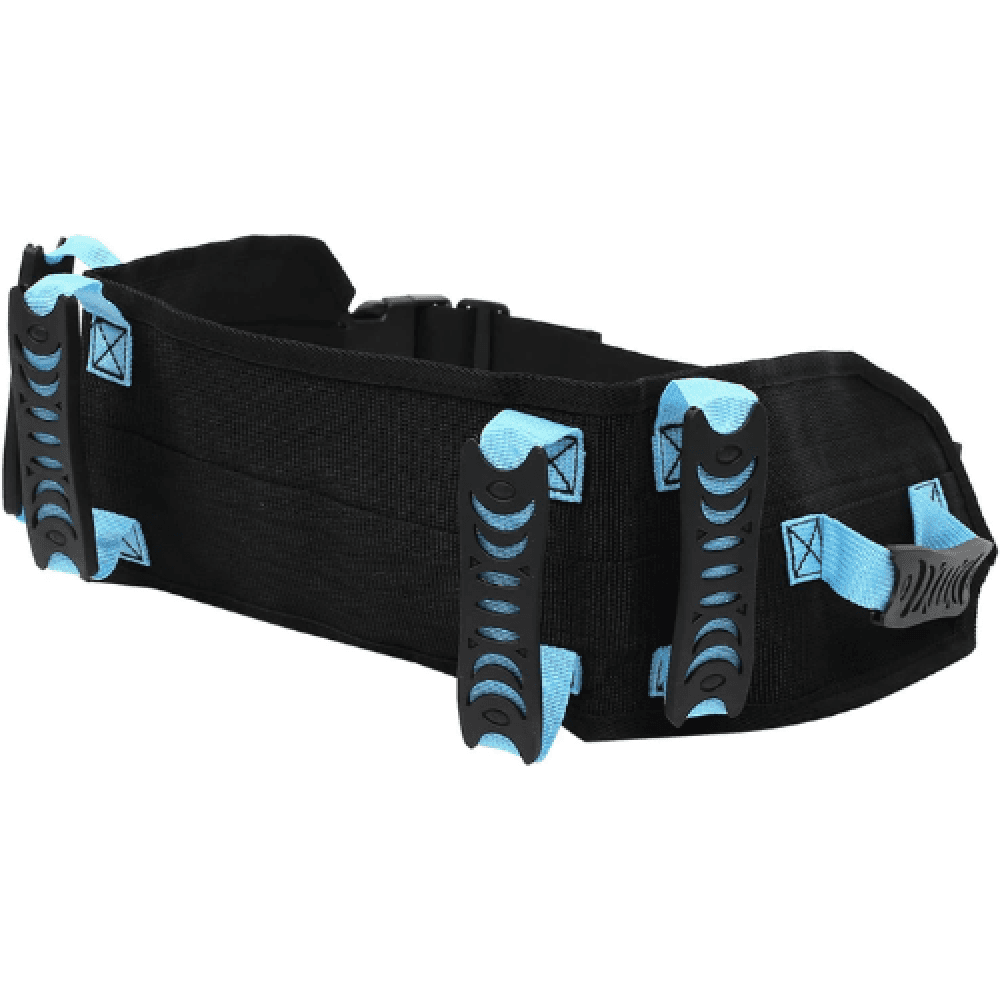
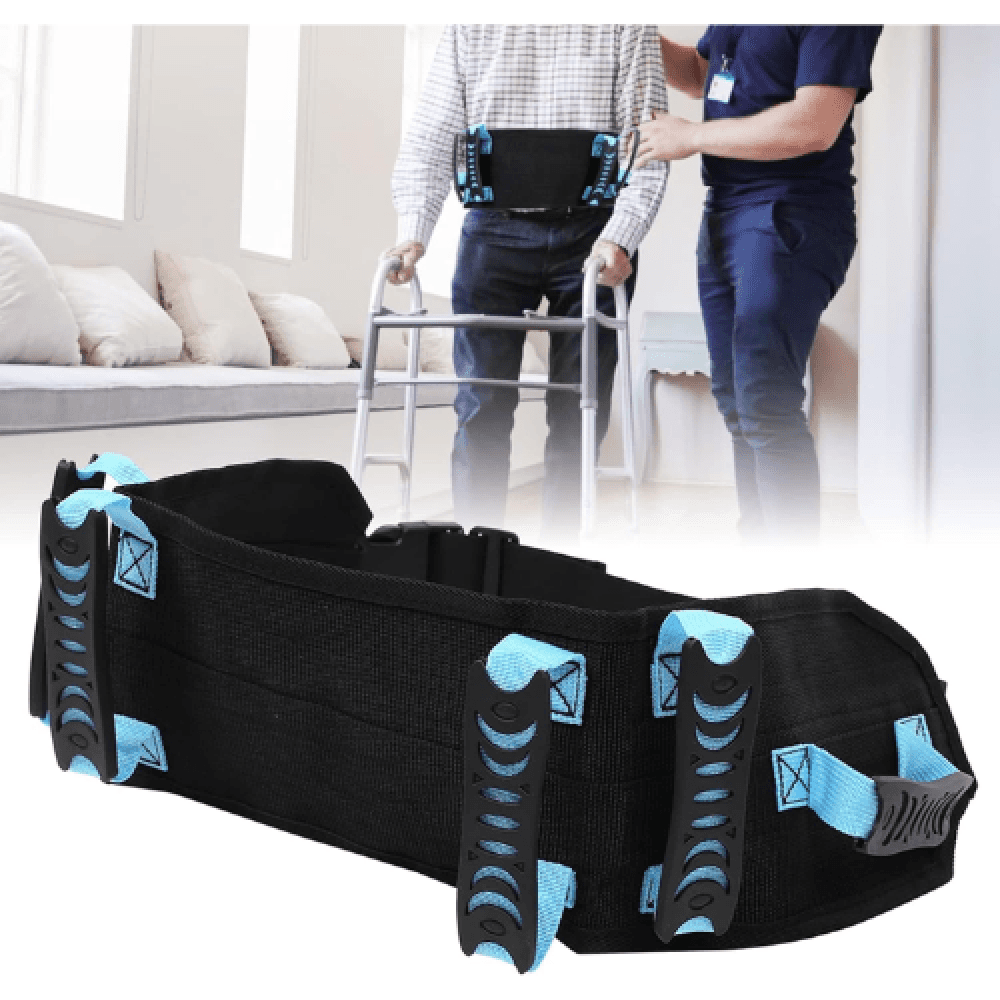
An adjustable, durable gait belt designed to assist caregivers, physical therapists, and nursing staff in supporting patients, older adults, and individuals with limited mobility during walking and transfers between the bed, chair, or wheelchair. Multiple handholds provide better control during movement. Suitable for hospitals, rehabilitation centers, long-term care, and home care.
What is a gait belt?
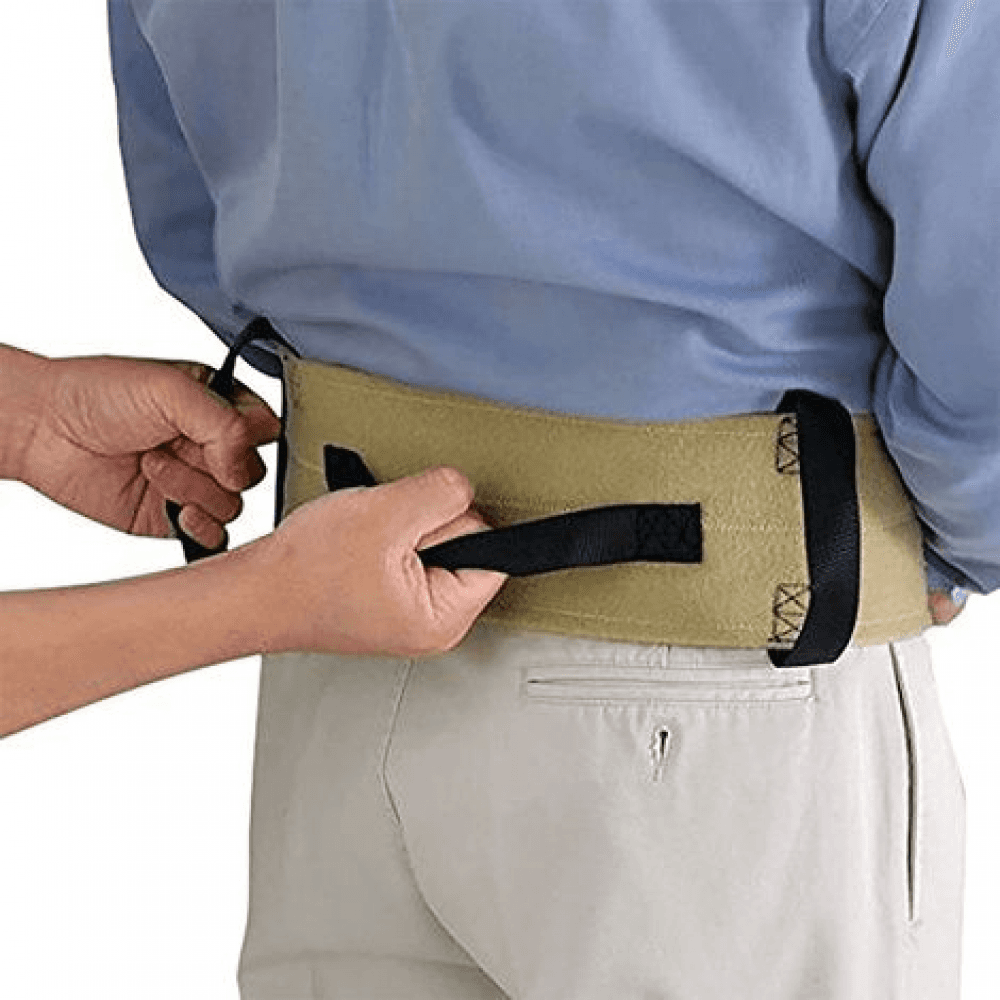
A gait belt is secured around the user’s waist to give the caregiver a dedicated grip point for support and control during ambulation, standing, and transfers. It is not intended to lift a person completely; it is an aid for support and control during movement and should be used correctly by someone able to provide appropriate assistance.
Benefits
- Provides additional support during walking.
- Improves caregiver control during movement.
- Assists bed-to-chair and chair-to-stand transitions.
- Supports gait training within rehabilitation programs.
- Helps enhance stability during movement.
- Reduces the need to grasp the patient directly.
- May reduce caregiver effort when used properly.
- Offers multiple grip points for controlled handling.
Key features
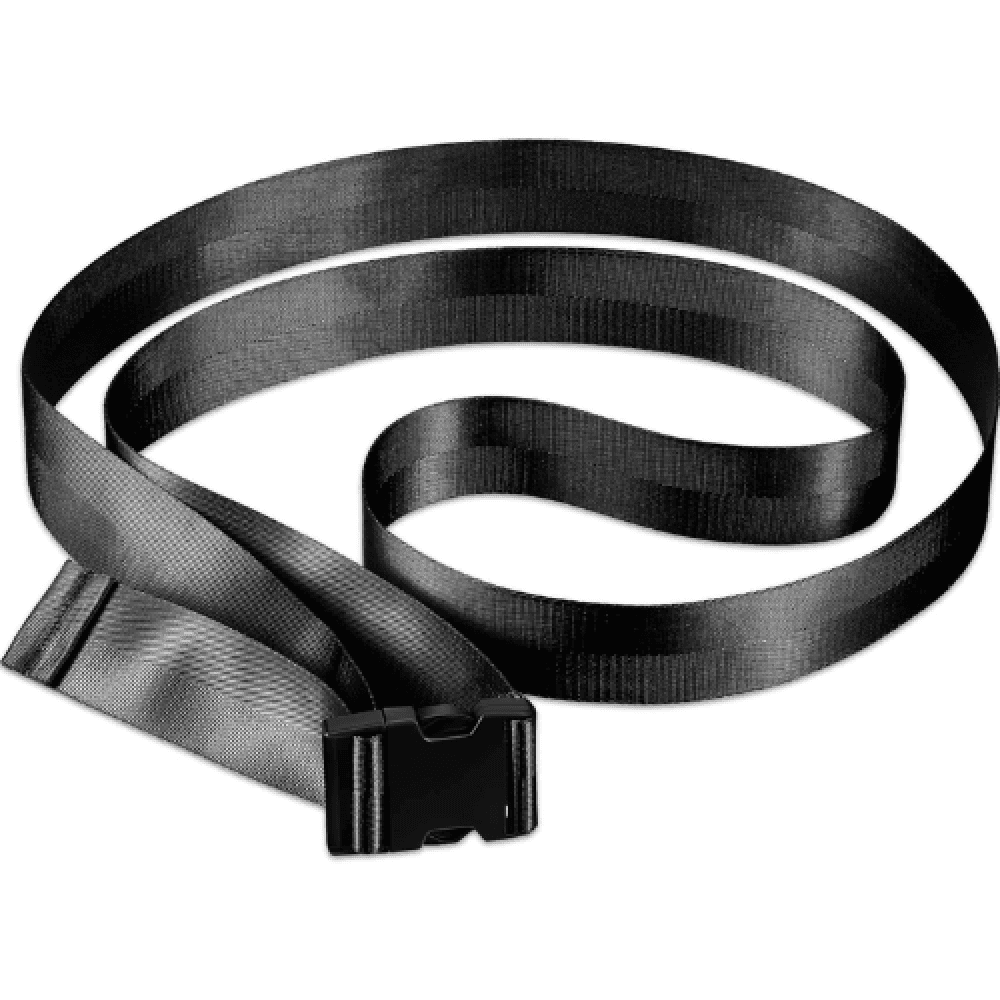
- Adjustable fit for secure, comfortable positioning around the waist.
- Integrated handholds to aid support and control during walking and transfers.
- Durable construction suitable for repeated use in clinical and home settings.
- Useful in gait training and functional rehabilitation sessions.
- Appropriate for supervised home care.
- Versatile applications: walking, balance exercises, positional transfers, bed-to-chair and wheelchair-to-bed, physical therapy sessions, and rehabilitation programs.
Use in physical therapy and rehabilitation
Provides an additional control point for the clinician during mobility retraining. It can be helpful for individuals recovering after injury or surgery or with gait weakness, as determined by a physical therapist. It supports controlled practice of sit-to-stand, walking, and transfers.
Transfers between bed and chair
The belt can aid supported transfers. Assess the user’s weight-bearing ability before attempting a transfer. Use an appropriate patient lift when the person cannot bear weight or requires a full lift.
Use with older adults
Can assist caregivers when supporting older adults with limited mobility during ambulation and transfers. It is not a replacement for a walker, wheelchair, or patient lift when those are indicated.
Who it may assist
- Individuals with limited mobility.
- Older adults.
- Users requiring gait training.
- Patients in rehabilitation programs.
- People needing assistance with bed–chair transfers.
- Individuals gradually regaining mobility under a rehabilitation plan.
Suitability and method of use should be determined according to each person’s condition.
How to use
- Check the belt for integrity before use.
- Place the belt around the user’s waist.
- Fasten and adjust for a secure, comfortable fit.
- Avoid excessive looseness or uncomfortable pressure.
- The caregiver stands close in a stable position.
- Hold the designated handholds.
- Assist the user to stand or walk gradually.
- Maintain control throughout the transfer.
- Unfasten and remove the belt safely after use.
Important: Do not use a gait belt to lift a person who cannot fully bear weight unless the belt is specifically designed for that purpose and use is directed by a qualified professional. A gait belt is a mobility aid, not a substitute for a patient lift.
Safety tips
- Select an appropriate size.
- Inspect the belt and closure before each use.
- Do not use if torn or damaged.
- Do not place over injured or painful areas without medical guidance.
- Confirm weight-bearing ability when using for walking or transfers.
- Do not yank or pull forcefully.
- Do not use for full-body lifting.
- The caregiver should maintain a stable stance during movement.
- Use a patient lift when a full lift is required or weight-bearing is insufficient.
Gait belt vs. patient lift belt
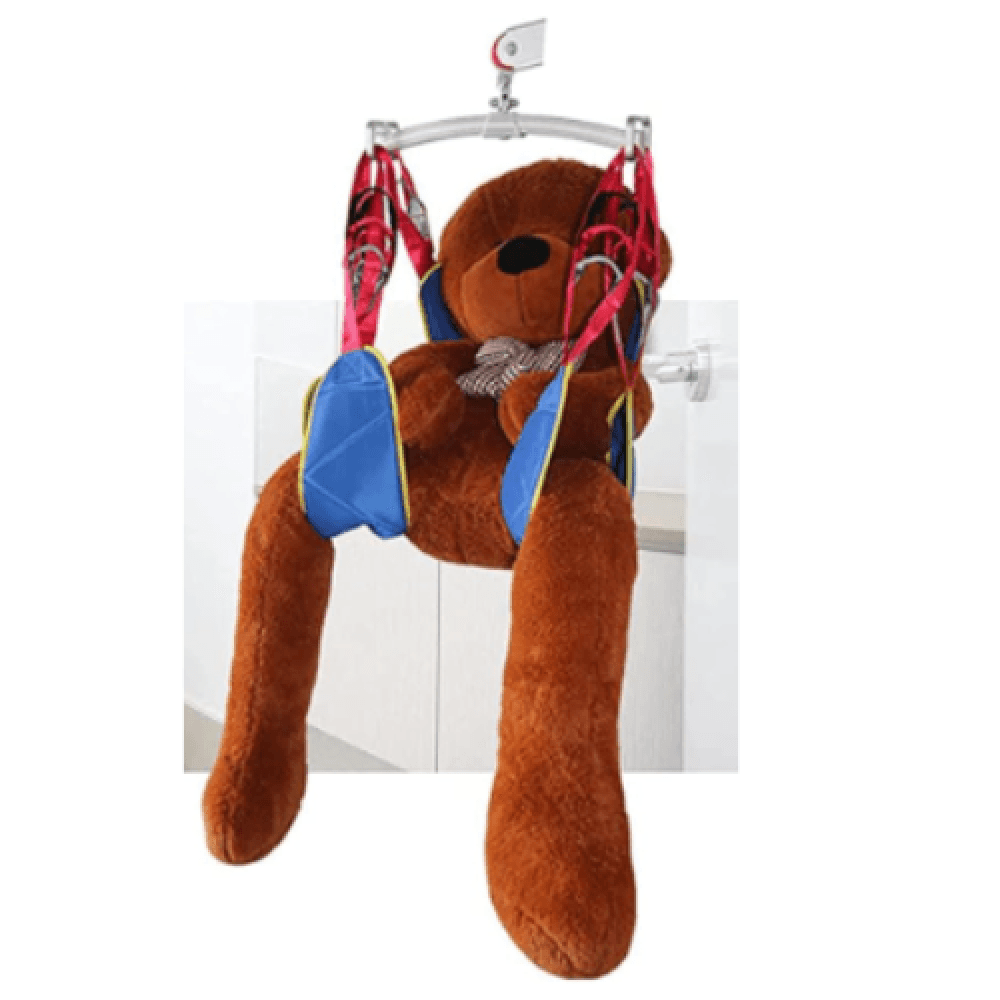
A gait belt provides extra support and control during walking, standing, and transfers. A patient lift belt is designed for lifting and transferring and may have different supportive designs. When a person cannot bear weight or needs a full lift, use an appropriate lifting device instead of a gait belt.
Intended users and settings
- Home caregivers.
- Physical therapists and rehabilitation specialists.
- Nursing staff.
- Hospitals and rehabilitation centers.
- Long-term care and other healthcare facilities.
- Families providing supervised home care for individuals with limited mobility.