The problem: an inconsistent bond, and a label that does not help
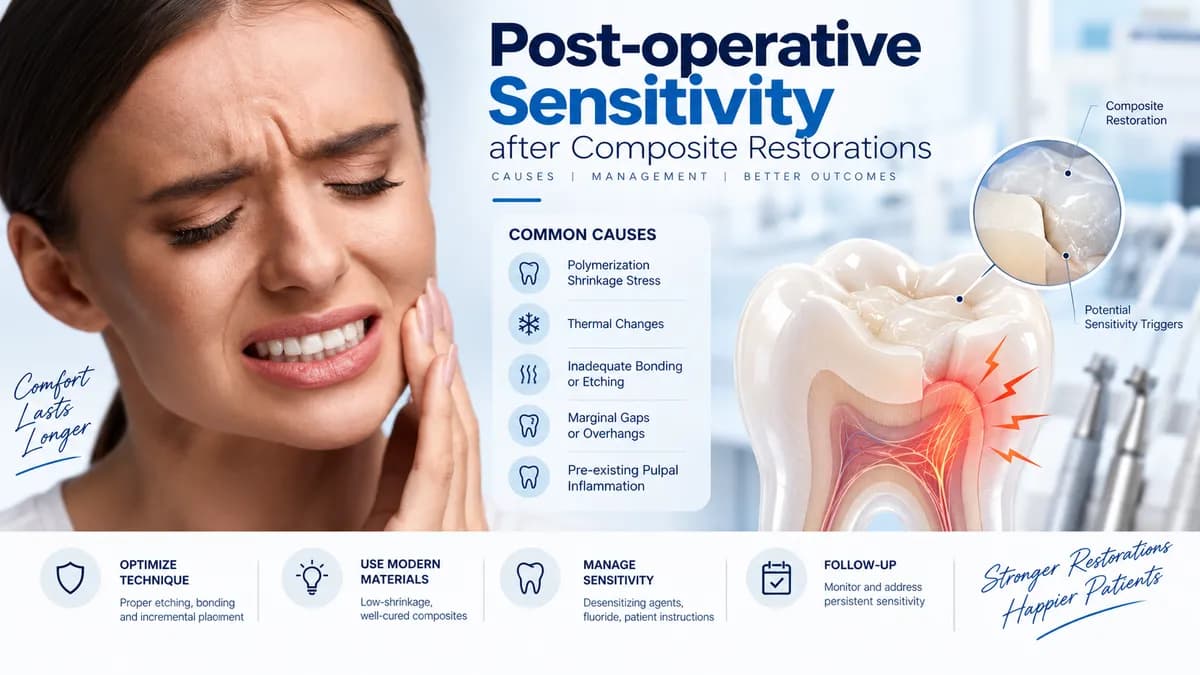
Every dentist has seen it: a composite that debonds at the enamel margin after a year, a Class V that falls out, or a cold-sensitive tooth after a routine filling. The bonding step is the least visible part of a restoration and the one most often blamed. Meanwhile the shelf offers products called fifth, seventh and eighth generation, single bottle, two bottle, self-etch, total-etch and universal, and the numbers suggest a ranking that does not exist.
This guide explains what the generations actually describe, how modern adhesives bond to enamel and dentine, what the clinical evidence says about etching modes, and which adhesives in our catalogue fit which kind of work. The product choices at the end are ours; the clinical statements are labelled evidence, manufacturer, or practice so you can weigh them.
What "generation" means
The generation numbers are a marketing history of how the chemistry was packaged. They tell you how many bottles you open and whether etching is a separate step. They do not tell you how strong or how durable the bond is.
| Generation | What it is | Steps | Etching |
|---|
| 4th | Separate etchant, primer and adhesive | 3 | Etch-and-rinse |
| 5th | Separate etchant; primer and adhesive combined in one bottle | 2 | Etch-and-rinse |
| 6th | Self-etching primer plus a separate adhesive, or two liquids mixed | 2 | Self-etch |
| 7th | Everything in one bottle, self-etching | 1 | Self-etch |
| 8th, universal | One bottle usable in etch-and-rinse, selective-etch or self-etch mode, often with primers for indirect substrates | 1 or 2 | Any |
Two things follow. First, a "5th generation" product is not older technology in a bad sense: many two-step etch-and-rinse adhesives have long clinical track records and remain a good choice for enamel-rich anterior work. Second, "7th" and "8th" describe convenience, not superiority, and the single-bottle products are the ones where technique errors, particularly solvent left in the film, cost the most.
How the bond forms
Enamel and dentine bond differently. Enamel is highly mineralised; phosphoric acid creates micro-porosities that resin flows into and locks onto, a purely micromechanical bond that is strong and predictable. Dentine is wet, tubular and largely collagen. Etching or self-etching removes or dissolves the smear layer and exposes collagen; the primer and adhesive infiltrate that collagen to form a hybrid layer. If the collagen collapses because the dentine was over-dried, or if the etch went so deep that the resin cannot reach the bottom of the demineralised zone, the hybrid layer is weak and porous.
Universal adhesives add a chemical component. Most contain 10-MDP, a functional monomer that forms stable bonds with calcium in hydroxyapatite and with metal oxides, which is why the same bottle can prime zirconia. That chemistry is what lets them work in self-etch mode at all; it does not replace the need for a good enamel etch.
Key numbers, labelled
- Manufacturer. Phosphoric acid etchants are sold at 30 to 40%; the usual application on enamel is around 15 seconds, then a thorough rinse.
- Practice. Dentine should be etched for no longer than 15 seconds when an etch-and-rinse technique is used, and left visibly moist, not dry, before the adhesive is applied.
- Manufacturer. Universal adhesives are rubbed onto the surface for the time in the instructions, typically 20 seconds, then air-thinned for about 5 seconds until the film no longer moves, then light-cured for around 10 seconds with a light that meets the product's stated irradiance.4
Etch modes and what the evidence says
There are three ways to use a universal adhesive: etch-and-rinse on enamel and dentine, selective etching of enamel only, or self-etch everywhere. The clinical evidence comes mostly from non-carious cervical lesions, because they are the standard model for adhesive retention.
- Evidence. A systematic review and meta-analysis of trials on non-carious cervical lesions found that restorations placed with universal adhesives in selective enamel etching or etch-and-rinse mode had better retention than those placed in self-etch mode.1
- Evidence. A 24-month randomised trial comparing application modes reported the same direction: enamel etching before a universal adhesive improved clinical outcomes compared with self-etch alone.2
- Practice. Selective enamel etching is now the default recommendation for routine direct restorations that involve both enamel and dentine, with self-etch reserved for dentine-only situations where over-etching is the bigger risk.3
The practical reading: keep an etchant syringe next to every universal adhesive. Skipping the enamel etch to save 20 seconds trades a measurable amount of retention.
Your options in the catalogue
We stock three classes of adhesive. The table describes them by mode and indication; the manufacturers' instructions describe the exact times.
| Class | Stocked examples | Modes | Best fit |
|---|
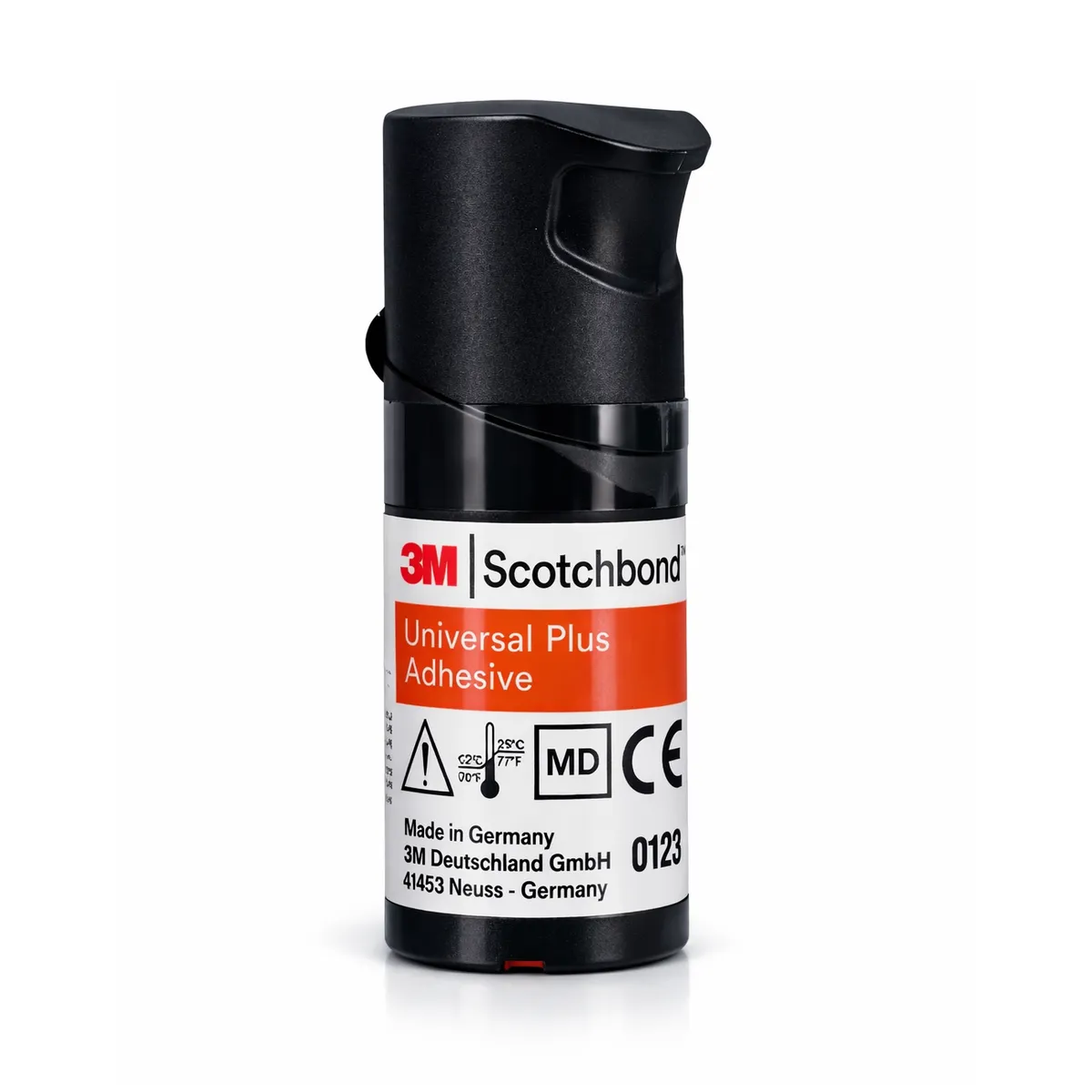
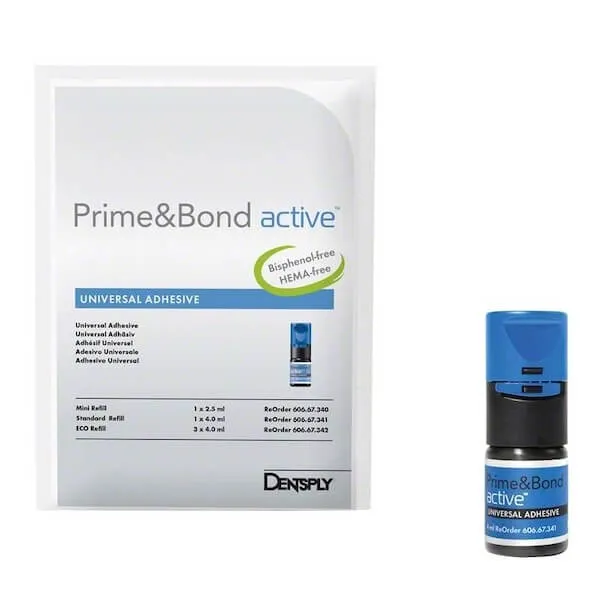
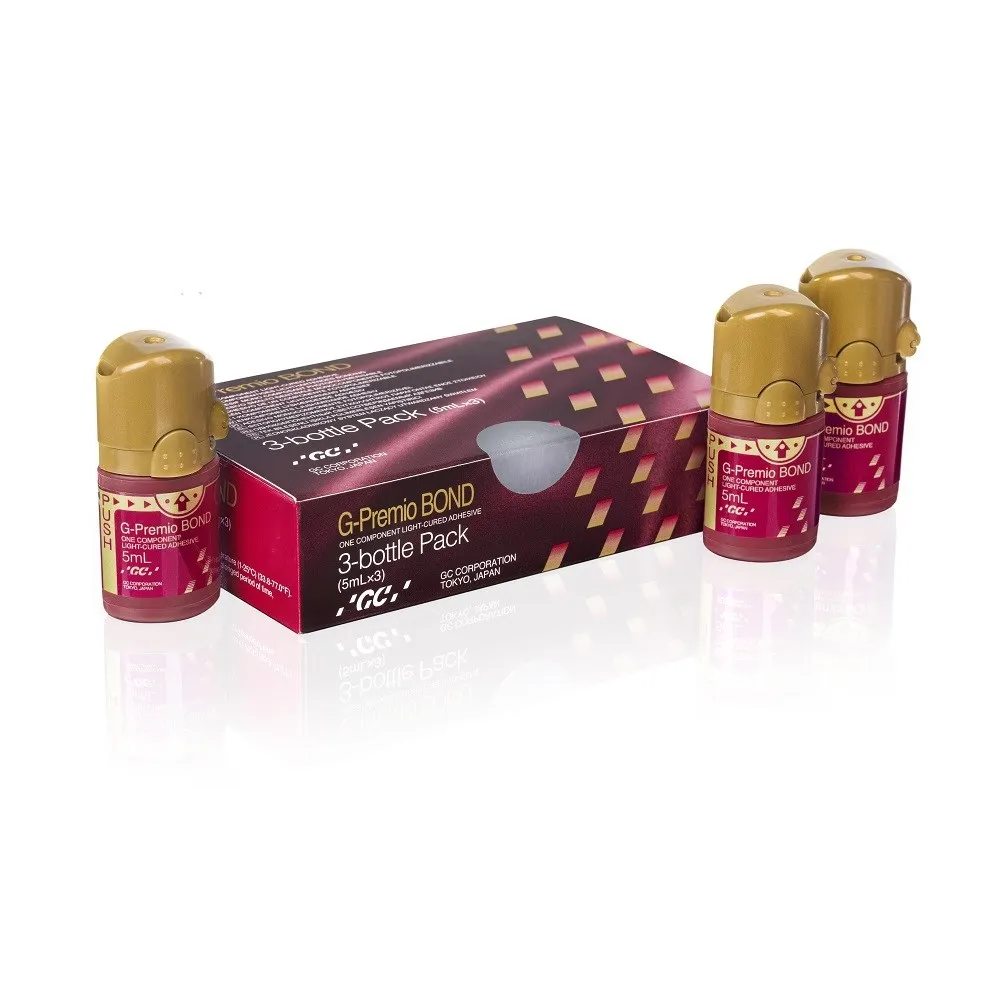
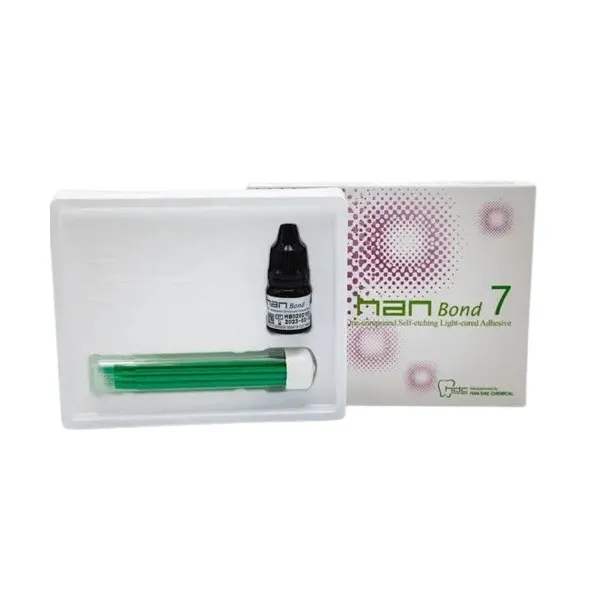
| Universal, single bottle | 3M Scotchbond Universal Plus, 3M Single Bond Universal, Dentsply Prime & Bond Active, GC G-Premio Bond, HanBond 7th Generation | Etch-and-rinse, selective-etch, self-etch | One bottle for direct composites, core build-ups, repairs and, with the matching cement, indirect work |
| Two-step etch-and-rinse (5th generation) | Meta P & Bond, HanBond 5th Generation, Prime-Dent Light Cure One-Step | Etch-and-rinse only | Enamel-rich preparations, anterior aesthetics, clinics that want a lower-cost workhorse |
| Self-etch, single bottle (7th generation) | Prime-Dent Self Etch | Self-etch | Dentine-dominated cavities and situations where rinsing is impractical; add a selective enamel etch where enamel margins exist |
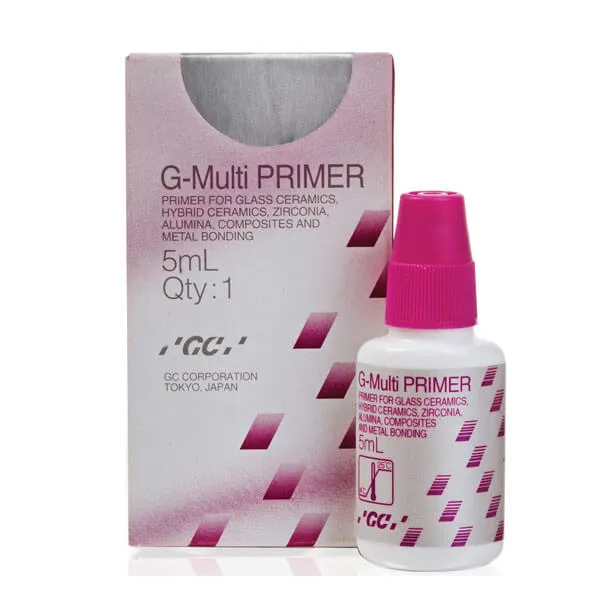
Alongside the adhesive you need an etchant (CharmEtch 37%, Ultra-Etch 35%, HanEtch 37%), disposable micro applicators, and, for indirect work on zirconia or metal, a primer such as GC G-Multi Primer when the adhesive does not already cover that substrate.