The problem: the call two days later
The restoration looked good, the margins were clean, the patient left comfortable. Two days later the tooth hurts on cold, or on biting, or both. Post-operative sensitivity is the most common complication of a composite restoration and one of the hardest to explain to a patient, because the filling itself looks perfect. In almost every case the cause is one of a short list of technique errors, and each has a specific prevention.
This guide goes through those causes one by one, gives the fix for each, and names the class of material that helps. It ends with a chairside checklist you can print.
Understand: the causes, in order of how often they happen
1. A high spot
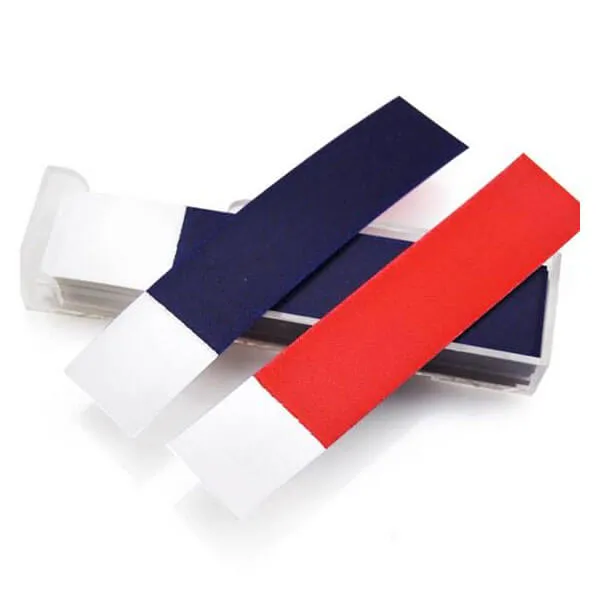
Pain on biting that starts the moment the anaesthetic wears off is occlusion until proven otherwise. A composite that is even a fraction high concentrates the whole bite on one cusp, and the ligament complains within hours. Practice: check with thin articulating paper in centric and excursions before the patient leaves; a second check a week later costs nothing.
2. Over-etched or over-dried dentine
Phosphoric acid on dentine for too long demineralises deeper than the adhesive can penetrate. The resin never reaches the bottom of the demineralised zone, and the exposed collagen and open tubules respond to cold and air. Blasting the dentine dry collapses the collagen so the adhesive cannot infiltrate it at all. Practice: etch dentine for no more than about 15 seconds when etch-and-rinse is used, or use selective enamel etching with a universal adhesive; leave dentine visibly moist; scrub the adhesive in; evaporate the solvent gently.
3. A gap at the pulpal floor
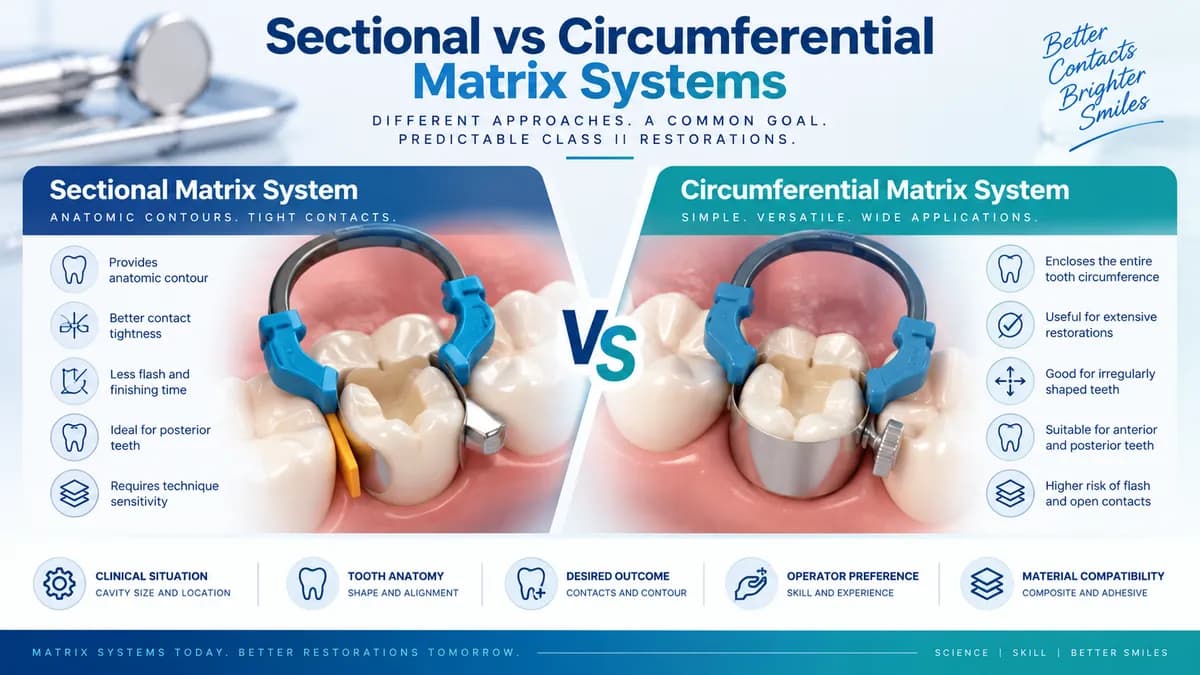
Composite shrinks as it cures and the shrinkage pulls on the bond. In a deep box with bonded walls on every side, the weakest bond, usually the pulpal floor, lets go, and a gap forms that fluid moves through on every temperature change. Practice: smaller increments, a flowable or resin-modified glass ionomer liner on the deepest dentine, a bulk-fill material designed for the depth, and soft-start curing where your light supports it.
4. Under-cured composite or adhesive
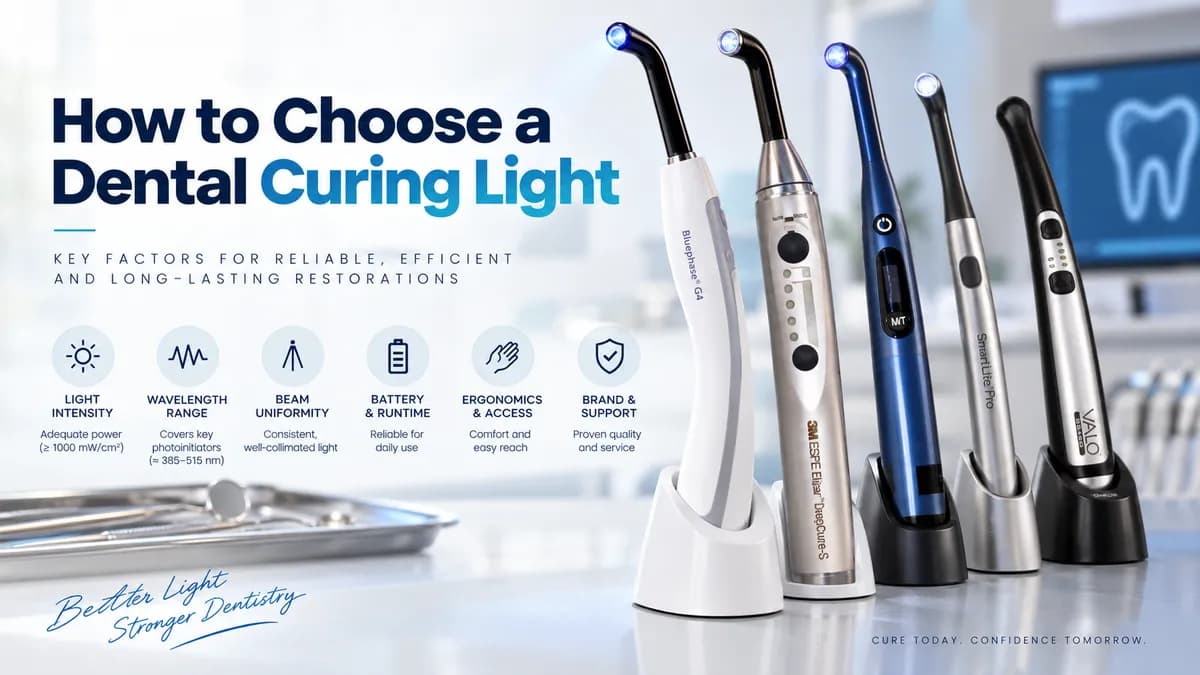
A light held at a distance, a scratched tip, a battery at the end of its charge, or a bulk-fill placed deeper than its stated depth of cure leaves soft material at the base. Uncured monomer irritates the pulp and the restoration flexes. Practice: know your light's output, cure with the tip as close and as perpendicular as the cavity allows, and cure through the buccal and lingual walls of a deep box as well as from the occlusal.
5. Contamination
Saliva, blood or gingival fluid on etched enamel or primed dentine ruins the bond invisibly. Practice: rubber dam, or at least a dry field with retraction and a fresh cotton roll; re-etch enamel if it is contaminated. Ask about latex allergy before placing the dam and use a non-latex sheet if needed.
6. Deep caries close to the pulp
Sometimes the pulp was already inflamed. A deep cavity, a history of lingering pain, or a tooth that was sensitive before treatment predicts sensitivity after it regardless of technique. Practice: test vitality before treating deep lesions, warn the patient, protect the deepest dentine with a liner or a calcium-silicate material, and record the finding.
7. Cracked tooth
A cusp that was already cracked will hurt on release of biting pressure after any restoration. Practice: bite test each cusp on a tooth with a large old restoration before you replace it.
What the evidence says
- Evidence. Systematic reviews report no significant difference in post-operative sensitivity between bulk-fill and incrementally placed posterior composites.3
- Evidence. In cervical lesions, selective enamel etching with a universal adhesive improved retention compared with self-etch alone, without the dentine over-etching that total-etch invites.4
- Practice. Clinical reviews on the topic consistently rank operator technique (etching, drying, curing, occlusion) above the choice of composite as the source of sensitivity.1, 2
Options: what helps, by class
| Class | What it does | Stocked examples |
|---|
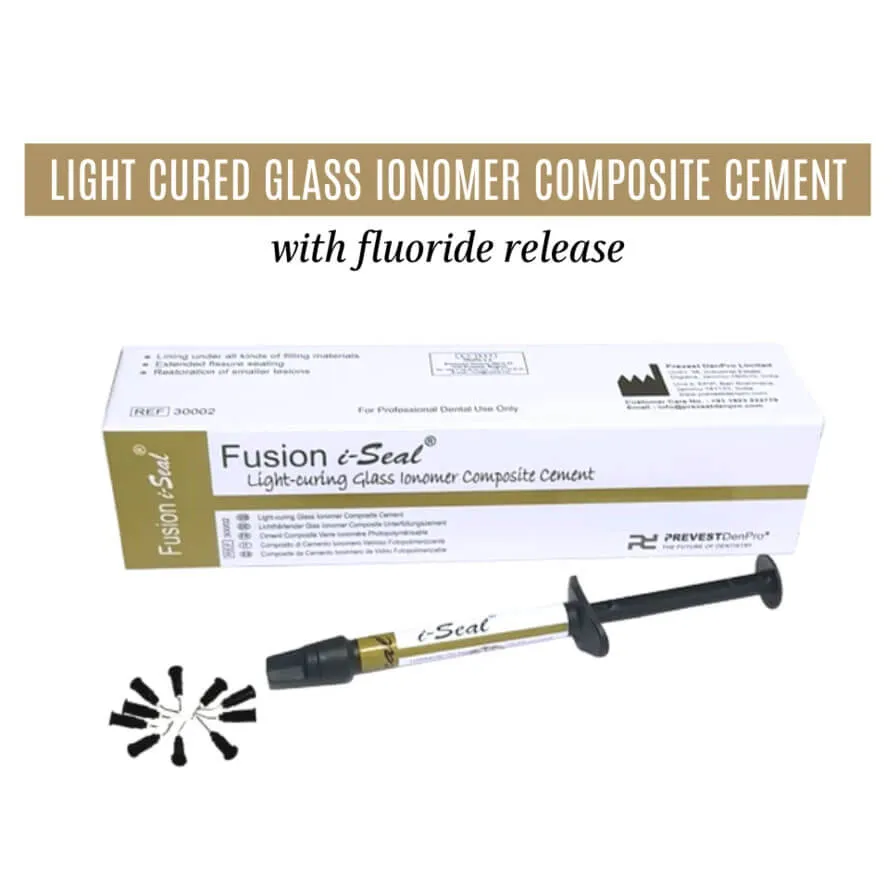
| Resin-modified glass ionomer liner | Seals tubules on deep dentine, bonds to dentine, releases fluoride, cures in a thin layer | Fusion iSeal LC, Ionoseal, Biner LC |
| Desensitiser | Occludes tubules or reduces nerve response; used on deep dentine, after bleaching, or in sensitive patients | Shield Activ (HEMA-based), UltraEZ (potassium nitrate and fluoride), CharmSensy (light-curing) |
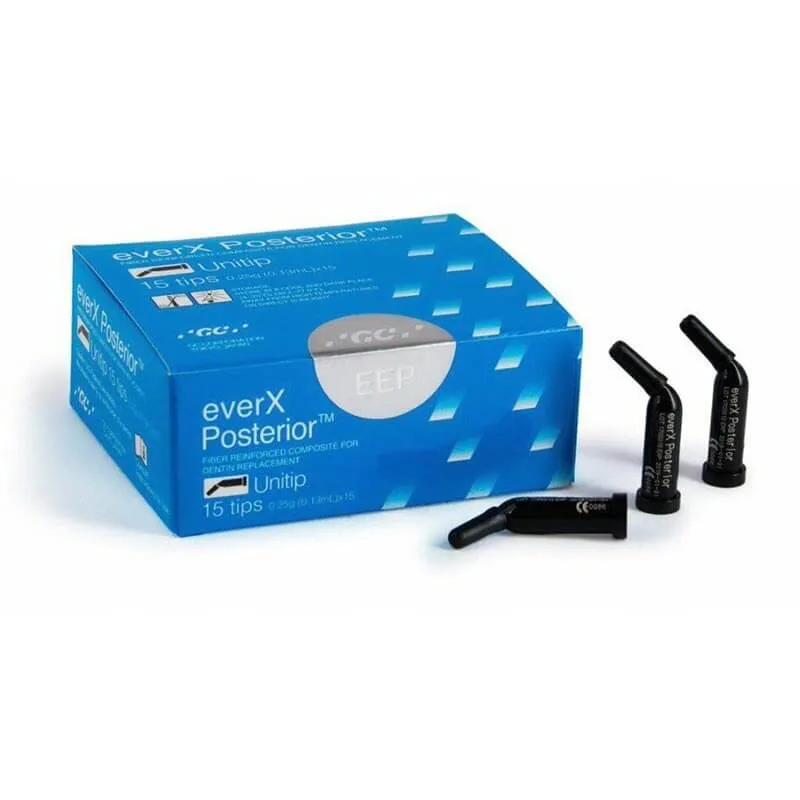
| Low-stress bulk-fill | Cures to 4 mm with reduced shrinkage stress on the pulpal floor | SDR Plus |
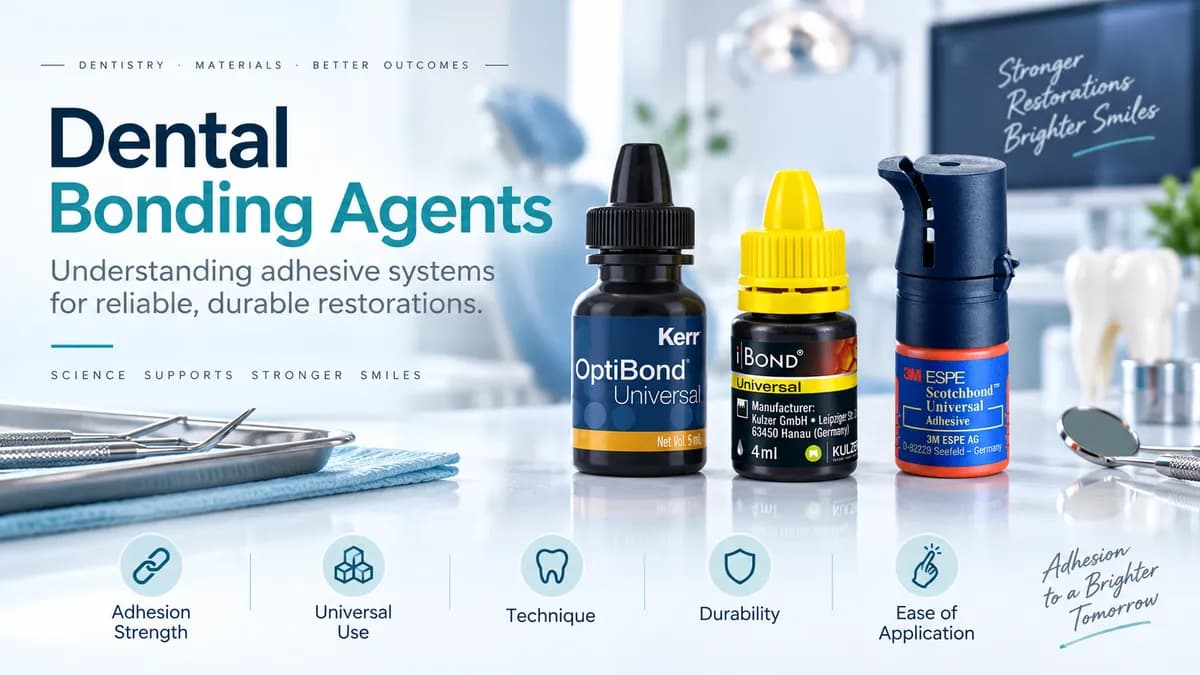
| Universal adhesive with selective etch | Avoids over-etching dentine while keeping the enamel bond | See the adhesives guide |
| Curing light with adequate output | Cures the adhesive and every increment to depth | Woodpecker i LED Plus, VALO Grand |
| Isolation | Keeps the field dry from etch to final cure | Rubber dam sheets, clamps and frames |
| Articulating paper | Finds the high spot before the patient does | Thin 50 µm paper, horseshoe 100 µm |