The problem: the course that stops on day three
Whitening is the most requested elective treatment in many clinics and the one most often abandoned. The gel works; the patient stops because the teeth zing on cold air by the third evening, or because the in-office session left them with a night of sharp, spontaneous pain. Sensitivity is not a sign that the treatment is failing. It is a predictable, dose-related side effect that can be planned around, and the planning is what turns a kit on the shelf into a finished course and a returning patient.
Understand: why bleaching hurts
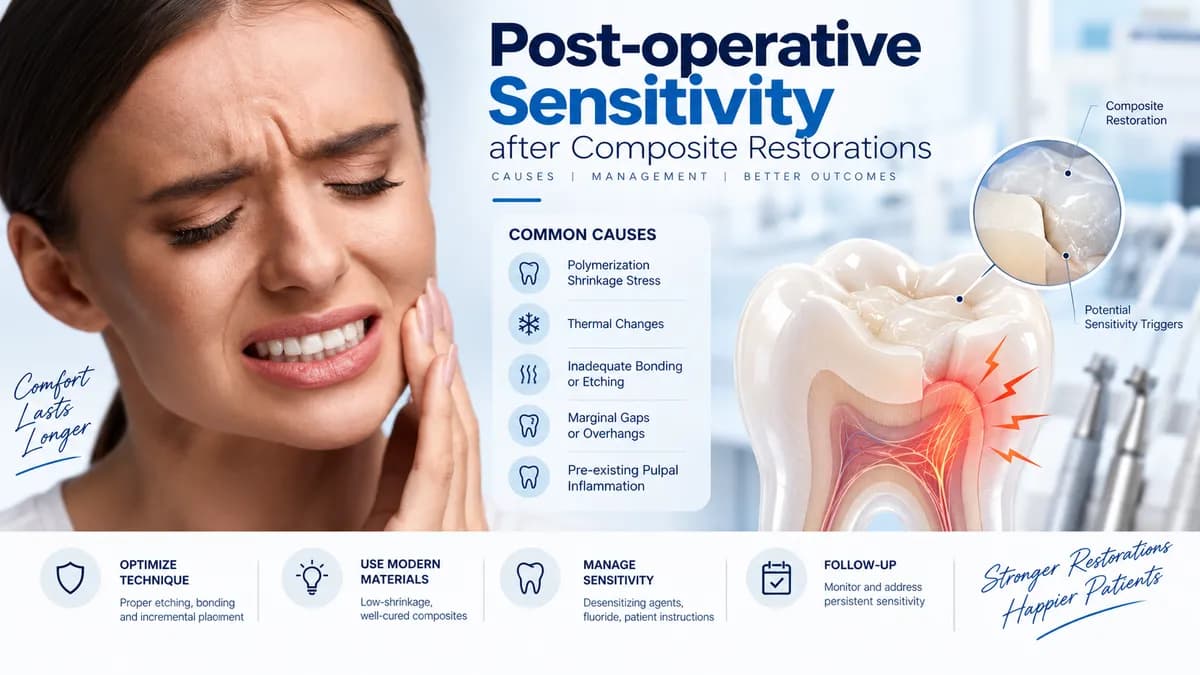
Peroxide penetrates enamel and dentine within minutes and reaches the pulp, where it causes a mild, reversible inflammation. The result is the sharp, short-lived pain to cold and air that patients describe as zinging, and occasionally spontaneous pain in the hours after an in-office session. The dose is what matters: the concentration of peroxide, how long it is in contact, and how often the sessions repeat. Enamel defects, cracks, exposed cervical dentine and leaking restorations open shortcuts to the pulp and make the same dose hurt more.
Gingival irritation is a different problem. It comes from gel on the soft tissue, from an ill-fitting tray or an incomplete barrier, and it presents as white blanching and soreness of the gum rather than tooth pain.
Carbamide versus hydrogen peroxide
Carbamide peroxide breaks down in the mouth into hydrogen peroxide and urea, releasing roughly a third of its concentration as hydrogen peroxide: 10% carbamide is about 3.5% hydrogen peroxide, 16% about 5.5%, 35% about 12%. Carbamide releases slowly, which suits hours of tray wear; hydrogen peroxide acts fast, which suits short sessions.
Concentration, time and the endpoint
Higher concentrations whiten faster per session. The final shade after a completed course is similar across concentrations; what differs is how many days it takes and how much sensitivity arrives on the way. That is the whole basis of managing sensitivity: trade speed for comfort in the patients who need it.
Key numbers, labelled
- Manufacturer. Take-home carbamide gels are worn for a time set by concentration: the lower the concentration, the longer the wear, from overnight at 10% to short daytime sessions at 35%, per the product instructions.1
- Manufacturer. In-office hydrogen peroxide gels at 35 to 40% are applied in short timed cycles with a gingival barrier in place, typically two or three cycles per visit per the instructions.2
- Practice. Potassium-nitrate and fluoride gels are worn in the tray for a period before the course starts and between sessions; clinicians commonly extend this for patients with a history of sensitivity.3
Options: the products we stock
| Class | Stocked examples | Use |
|---|
| Take-home carbamide peroxide | Opalescence PF 10%, 15%, 20% and 35% patient kits; Layan 16% and 22% refills | Custom-tray whitening at home; concentration sets the wear time |
| In-office hydrogen peroxide | Opalescence Boost 40% with OpalDam; Layan 35% office kit; Layan combined office and home kits | Chairside sessions with a gingival barrier |
| Desensitisers | UltraEZ (potassium nitrate and fluoride), Desensibilize KF 2% (for office whitening), fluoride varnishes | Before, between and after sessions |
| Trays | Bleaching and whitening tray sheets for the vacuum former, tray cases | Custom trays with reservoirs for take-home gel |
| Accelerator lights | Whitening light units | Optional; within the system's instructions |
Compare: protocol by patient
| Patient | Protocol | Desensitiser | Expect |
|---|
| No history of sensitivity, wants results in two to three weeks Manufacturer | Take-home 15 to 20% carbamide in custom trays, wear time per instructions | Available if needed | Mild transient sensitivity in some patients |
| History of sensitivity, cervical recession or thin enamel Manufacturer | Take-home 10% carbamide, longer wear, every other night if needed | Potassium nitrate and fluoride gel before the course and between sessions | Slower course, fewer dropouts |
| Wants a visible change today Manufacturer | In-office 35 to 40% hydrogen peroxide with gingival barrier, short cycles, then take-home 10 to 15% to finish | Desensitiser after the session and with the trays | Fast start; sensitivity in the hours after the session is common |
| Single dark tooth after root canal treatment Practice | Internal bleaching by the dentist, then external if needed | Not usually needed | Different procedure; not covered by tray kits |
| Fluorosis or white spots Practice | Microabrasion or resin infiltration first, whitening after | As above | Whitening alone can make white spots more visible at first |
Choose a lower carbamide concentration worn longer for anyone with a history of sensitivity. Choose in-office plus take-home when speed matters and the patient tolerates it. Never whiten over untreated caries, cracks or exposed dentine.
Managing sensitivity when it happens
- Stop for a day or two; sensitivity resolves quickly once the dose stops.
- Apply the potassium-nitrate and fluoride gel in the tray for the manufacturer's time, then resume at a lower concentration or shorter wear.
- Check for causes that are not the gel: a leaking restoration, a cracked tooth, exposed dentine at the cervical margin, a tray that traps gel against the gum.
- Reduce frequency to alternate nights rather than abandoning the course.
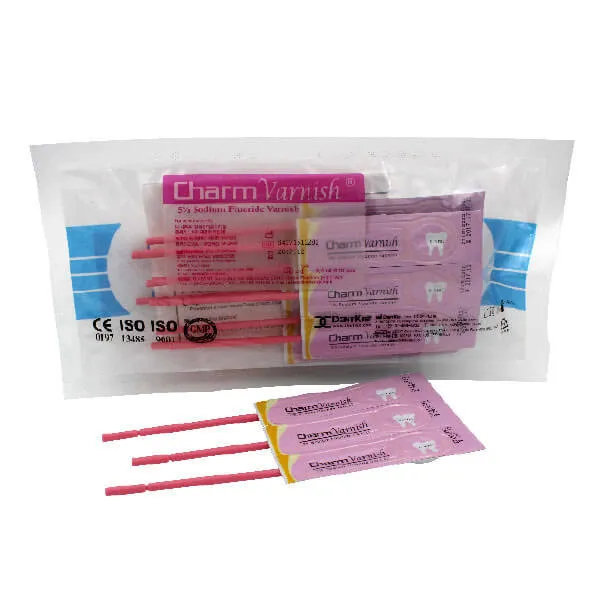
- Finish with a fluoride varnish or a desensitising gel for a few days after the last session.
Recommended products
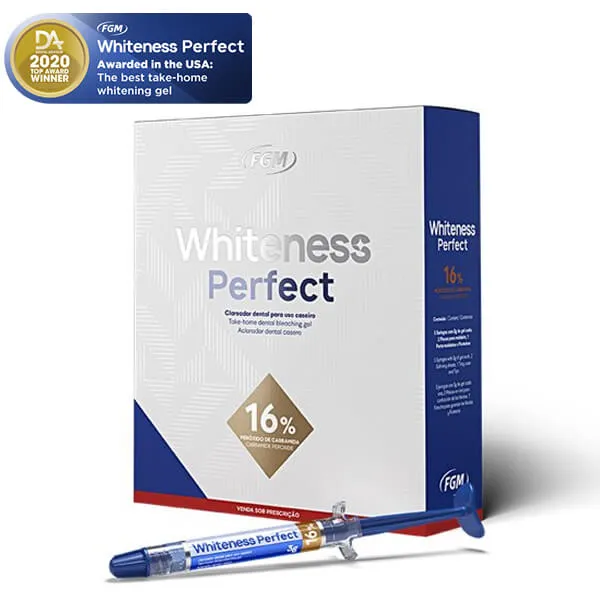
Take-home kits by concentration, from the gentlest to the fastest:
Buying advice
Stock two take-home concentrations, 10% and 20%, and one desensitising gel; that covers the sensitive patient and the impatient one. Add an in-office kit with a gingival barrier if you offer chairside whitening, and tray sheets for the vacuum former so every patient leaves with custom trays rather than stock ones.